TL;DR: Renting vs Buying in 2026: A Quick Recap
- The Renting vs Buying decision depends on your finances, lifestyle, and location.
- Renting offers flexibility and lower upfront costs but rising rents and no equity.
- Buying provides stability and long-term value, with higher upfront responsibilities.
- UK house prices are expected to rise modestly in 2026, especially in regions like Lancashire.
- Mortgage rates are easing, but affordability still matters.
- Local market knowledge is key to making the right choice.
Deciding between renting and buying has never felt more complicated than it does heading into 2026 right? With mortgage rates easing, rents still rising, and regional markets behaving very differently, there’s no one-size-fits-all answer anymore.
For people living in or considering Lancashire, the decision is even more local. What works in London doesn’t always apply in the North West, where affordability, demand, and long-term value tell a very different story especially when it comes to renting a property in Lancashire, where competition remains strong but value is often better than in many southern markets.
So, is renting still worth it in 2026 or is it finally time to buy? Let’s dive in and explore the trends for buying and renting in 2026.
Renting vs Buying in 2026: What’s Really Changed?
As the UK property market adjusts after several turbulent years, the Renting vs Buying debate has shifted. Mortgage rates have stabilised compared to recent highs, house prices are moving at different speeds across regions, and rental demand continues to outweigh supply in many areas.
The right choice now depends less on headlines and more on:
- Your finances
- Your lifestyle
- Your local market (especially in Lancashire)
The Advantages of Renting in 2026
Renting continues to make sense for many people, particularly those who value flexibility or aren’t ready to settle long-term.
Key Benefits of Renting | |
|---|---|
Flexibility and Mobility | Renting allows you to move easily for work, family, or lifestyle changes without being tied to a property |
Lower Upfront Costs | No large deposits, no stamp duty, and no legal fees running into the thousands |
Fewer Surprise Expenses | Major repairs and maintenance are usually the landlord’s responsibility |
Access to Desirable Locations | In popular towns and commuter areas, renting may still be the most realistic way to live where you want |
For many renters in Lancashire, especially younger professionals, renting offers breathing room while the market continues to settle.
The Downsides of Renting
That flexibility comes at a cost. Some of the biggest drawbacks renters face include:
Biggest Drawbacks Renters face | |
|---|---|
Rising Rental Prices | UK rents continue to rise faster than wages in many areas, according to ONS data |
No Equity Building | Monthly rent payments don’t contribute to long term financial value |
Less Security and Control | Tenancies can end, rents can increase, and restrictions often apply to pets, decorating, or long term changes |
Over time, renting can become expensive without offering anything lasting in return.
The Benefits and Challenges of Buying a Home in 2026
Buying a home remains an attractive option for those with stable finances and long-term plans. However, buying a home can be challenging too.
ADVANTAGES | DISADVANTAGES |
Building Equity Over Time | High Upfront Costs |
Predictable Monthly Payments | Ongoing Maintenance Responsibility |
Freedom and Control | Affordability Pressures |
Long Term Stability | Less Flexibility |
How to Decide Between Renting and Buying
Instead of asking what’s “best,” ask what’s best for you.
Key questions to consider:
- How long do you plan to stay in the area?
- Do you have sufficient savings and stable income?
- What are local property and rental trends in Lancashire?
- Are you ready for the responsibilities of homeownership?
Your answers matter more than national averages.
Will UK House Prices Rise in 2026?
After slow growth through 2025, the outlook for 2026 is more optimistic.
Key forecasts suggest:
- Savills expects house prices to rise by around 4% in 2026
- Some economists predict 3.1% annual growth through 2026–27
- ONS data already showed prices rising roughly 3% annually by late 2025
With UK house prices expected to rise modestly in 2026, buying can be a smart move for those thinking long term. For many, buying a house in Lancashire offers better affordability and steady value growth compared to higher-priced regions.
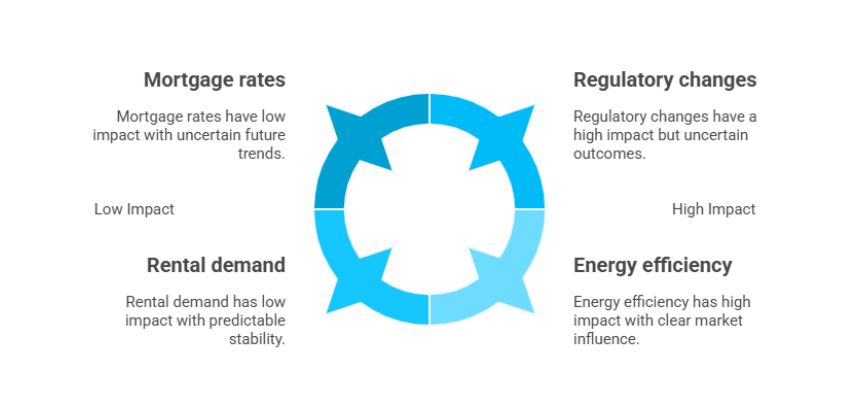
UK Property Dynamics in 2026
Why Choose Open House Lancashire?
When it comes to navigating the Renting vs Buying decision in 2026, local knowledge isn’t just helpful, it’s essential. That’s exactly what sets Open House Lancashire apart.
With deep roots in the Lancashire property market, Open House Lancashire understands:
- How local rental demand is shifting
- Where buyers can still find real long-term value
- Which areas are best suited for first-time buyers, families, or investors
- How market trends actually play out on the ground not just in reports
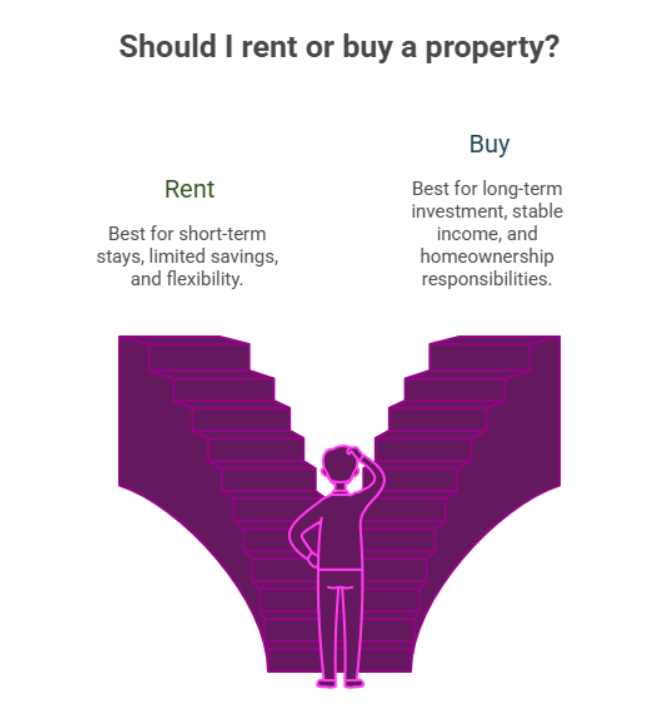
Ready to Make Your Next Move in Lancashire?
Whether you’re weighing up renting for flexibility or buying for long-term security, Open House Lancashire is here to help you move forward with confidence. The Open House Lancashire team is ready to guide you every step of the way from first conversation to keys in hand.
Visit Open House Lancashire today to explore current listings or speak with a local property expert who understands your area, your needs, and your future plans.
Your next move starts with the right advice and the right local team.
Lorem ipsum dolor sit amet, consectetur adipiscing elit. Ut elit tellus, luctus nec ullamcorper mattis, pulvinar dapibus leo.
Yes. Most forecasts suggest modest growth of around 3–4%, with stronger performance expected in affordable regions like the North West.
It depends. Buying suits long-term plans and stable finances, while renting offers flexibility and lower upfront costs. The right choice is personal and location-specific.